
I’m
ADO'er
Admins, Do’ers, Organizers
This collaboration began when Hector “the connector" Solon from Common Defence Michigan and Saugatuck Douglas Area Indivisibles connected a few of us from different groups. We quickly discovered a shared interest in supporting each other and decided to meet to exchange ideas, surface common challenges, and find collective solutions.
2026 Tentative Meeting Schedule
Standard Day: Second Thursday unless it conflicts with a major holiday week. Time has been fluctuating based on what works for the group.
Thursday, April 9 - 7:30 pm
Thursday, May 14 - 12:00 pm
Thursday, June 11 - 7:30 pm
Thursday, July 9 - 12:00 pm
Thursday, August 13 - 7:30 pm
Thursday, September 10 - 12:00 pm
Thursday, October 8 - NO MEETING
Thursday, November 5 - 7:30 pm
Thursday, December 3 (Possible in person PARTY)
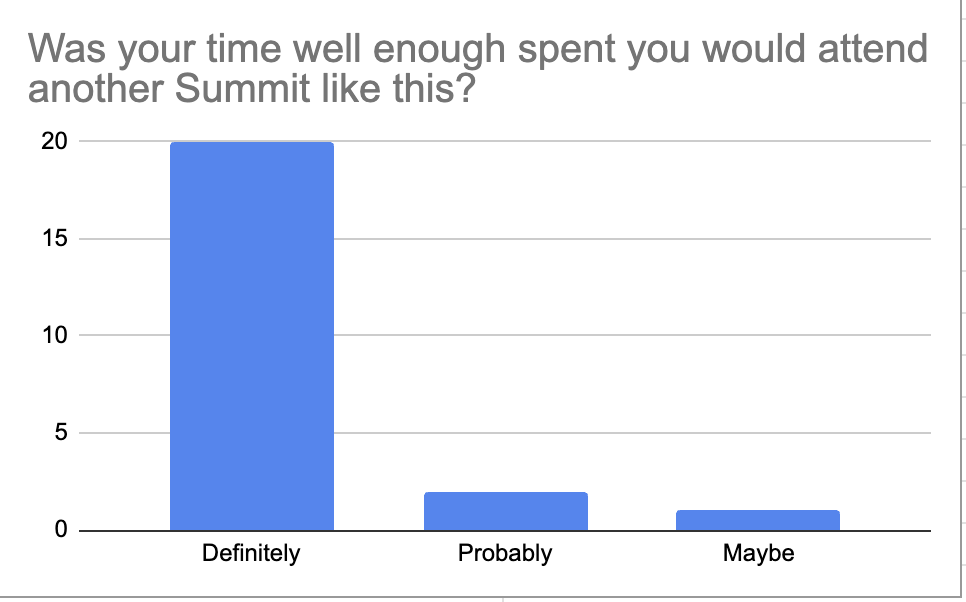
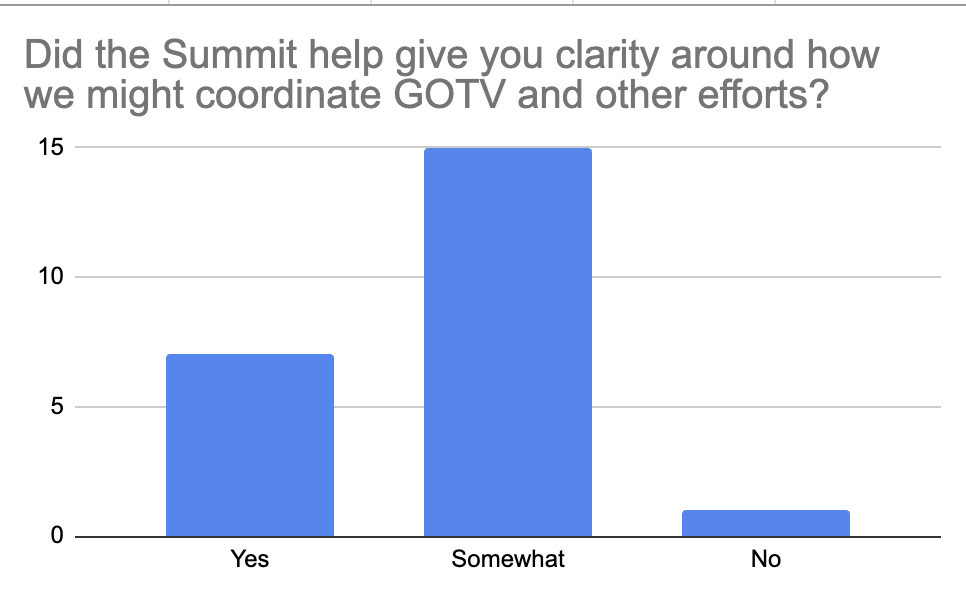
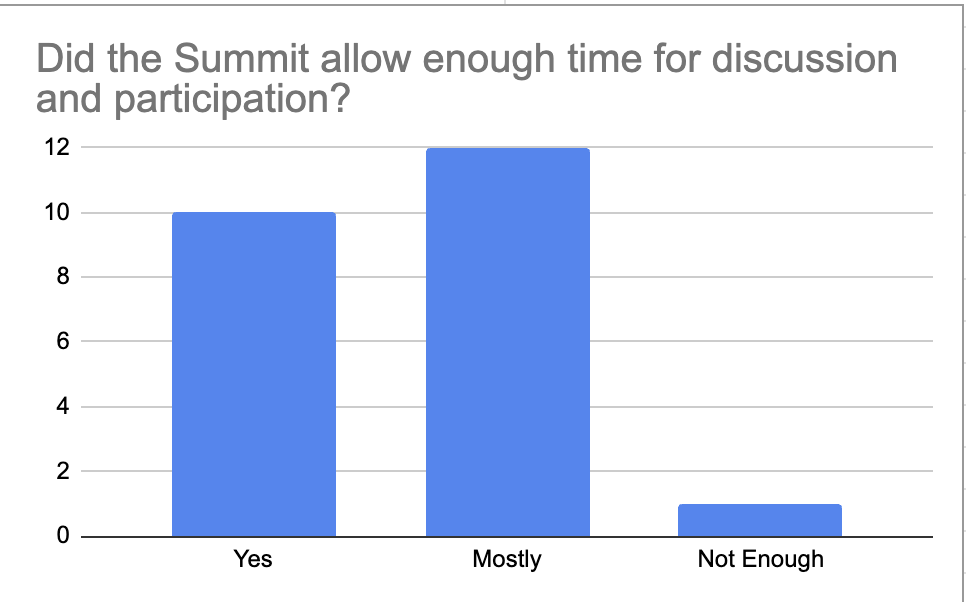
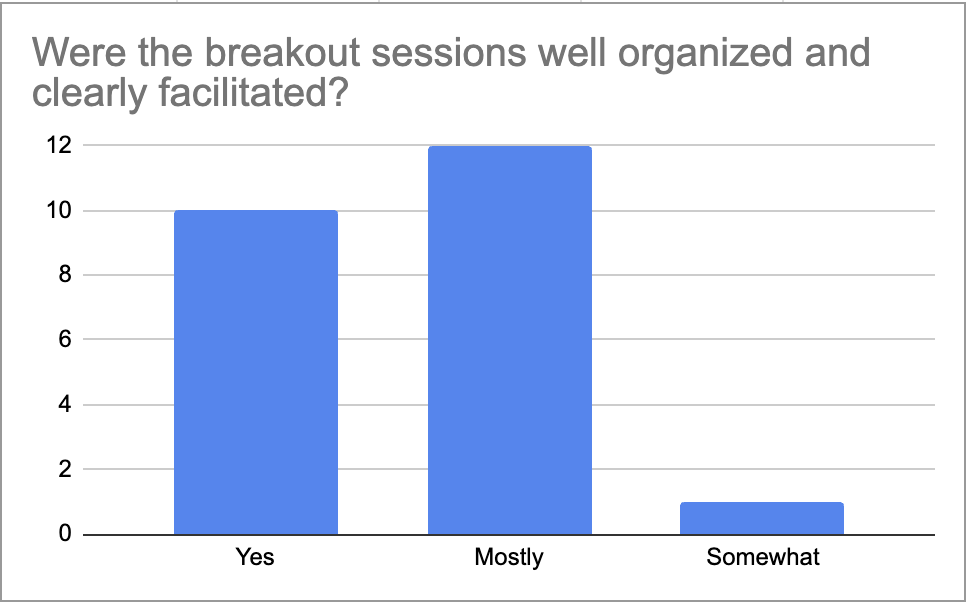
How was the first Summit? Based on 23 responses.
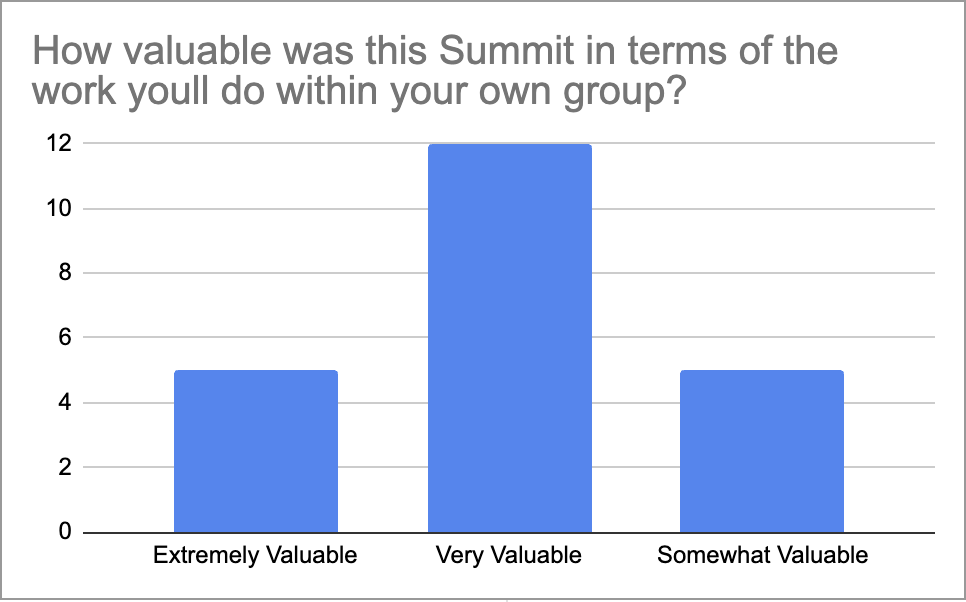
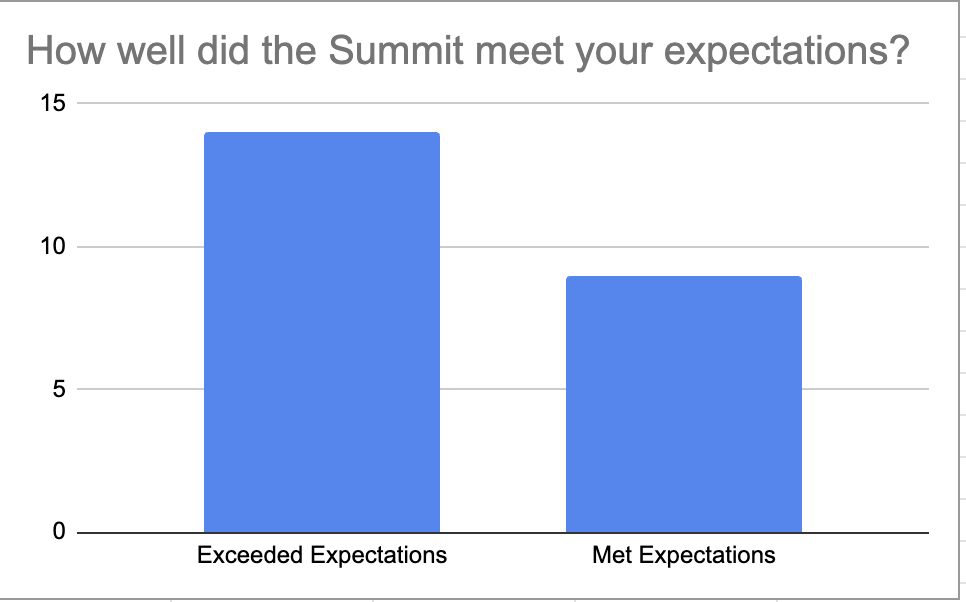
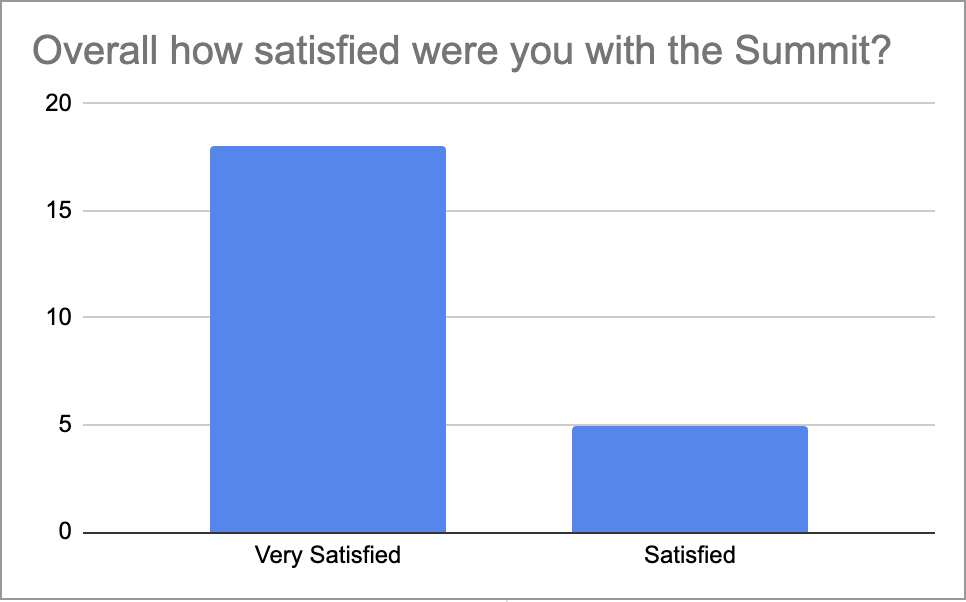
What Worked Well?
Strong overall organization, clear focus, and staying on schedule.
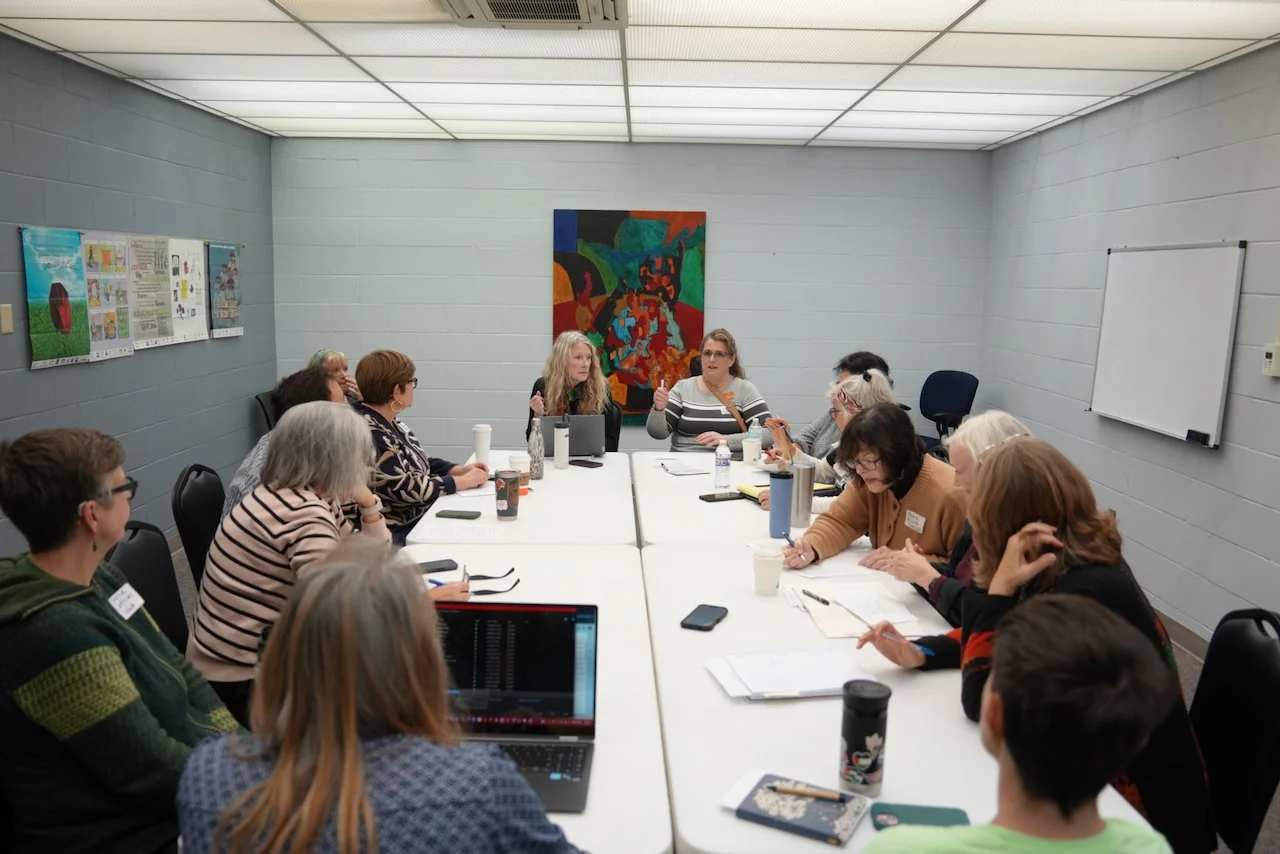
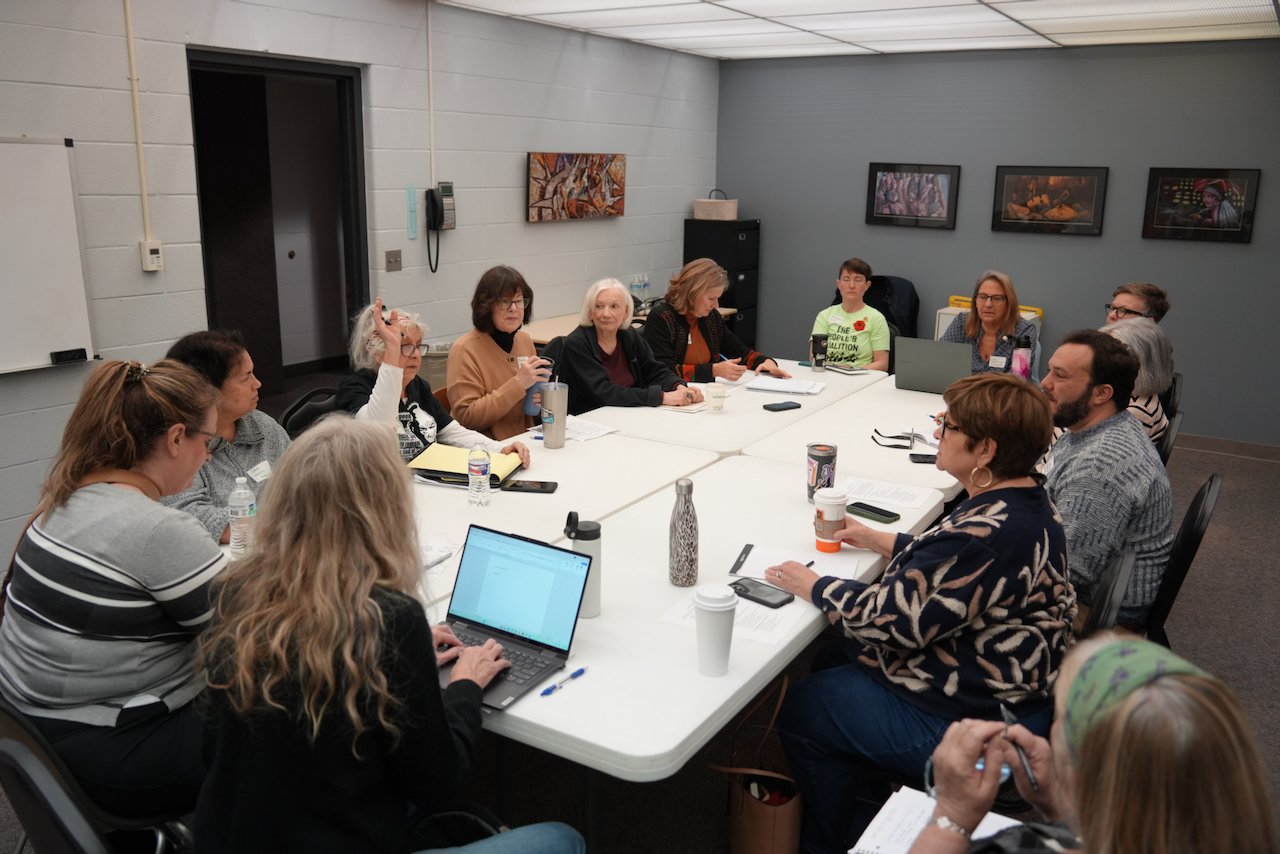
Breakout groups were highly valued for sharing experiences, ideas, and role-specific collaboration.
Networking and relationship-building across groups was one of the biggest benefits.
Effective facilitation and moderation (especially Erin and Mary) kept things moving and productive.
Guest presenters and voting/GOTV discussions were inspiring and informative.
Participants were engaged and appreciated being brought together in one room.
What Could Be Improved?
More time: longer summit overall, more breathing room in the schedule, and more unstructured networking time (especially at lunch).
Breakout groups could benefit from clearer facilitation, smaller sizes, and stronger participation balance.
Improved A/V and clearer structure or goals for breakout work.
Better advance preparation so attendees arrive with specific information and questions.
Clarifying expectations around nonpartisan vs. partisan work.
More focus and narrowing of topics, particularly for communications discussions.
Additional Themes & Suggestions?
Desire for clearer follow-up, coordination, and next steps—especially around GOTV and communications.
Interest in continued collaboration, but less frequent meetings (quarterly or semi-annual preferred by some).
Consider hybrid or virtual participation if attendance limits remain.
Strong appreciation for the organizers, logistics, and food.
The summit was energizing, affirming, and a valuable first step toward deeper collaboration.
Bottom Line
The summit was widely viewed as a successful, well-run, and energizing first gathering. Future summits could be even stronger with more time, clearer structure for collaboration, improved facilitation tools, and expanded opportunities for networking and follow-through.
Quick Links to Original Summit Docs
These are PDF’s formatted to print large scale for the event. I will be updating the groups and this list and giving you access to it on the shared google drive.
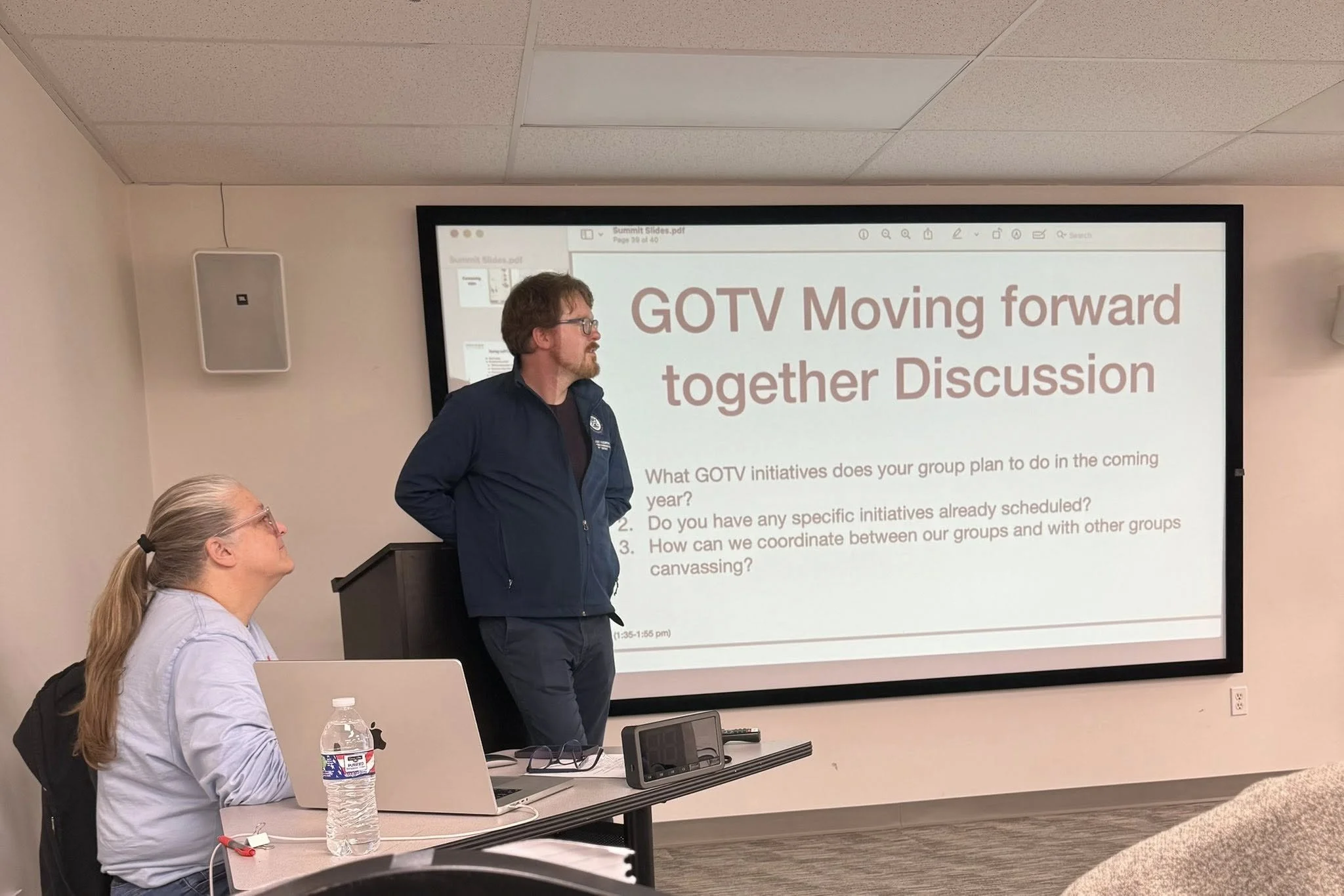
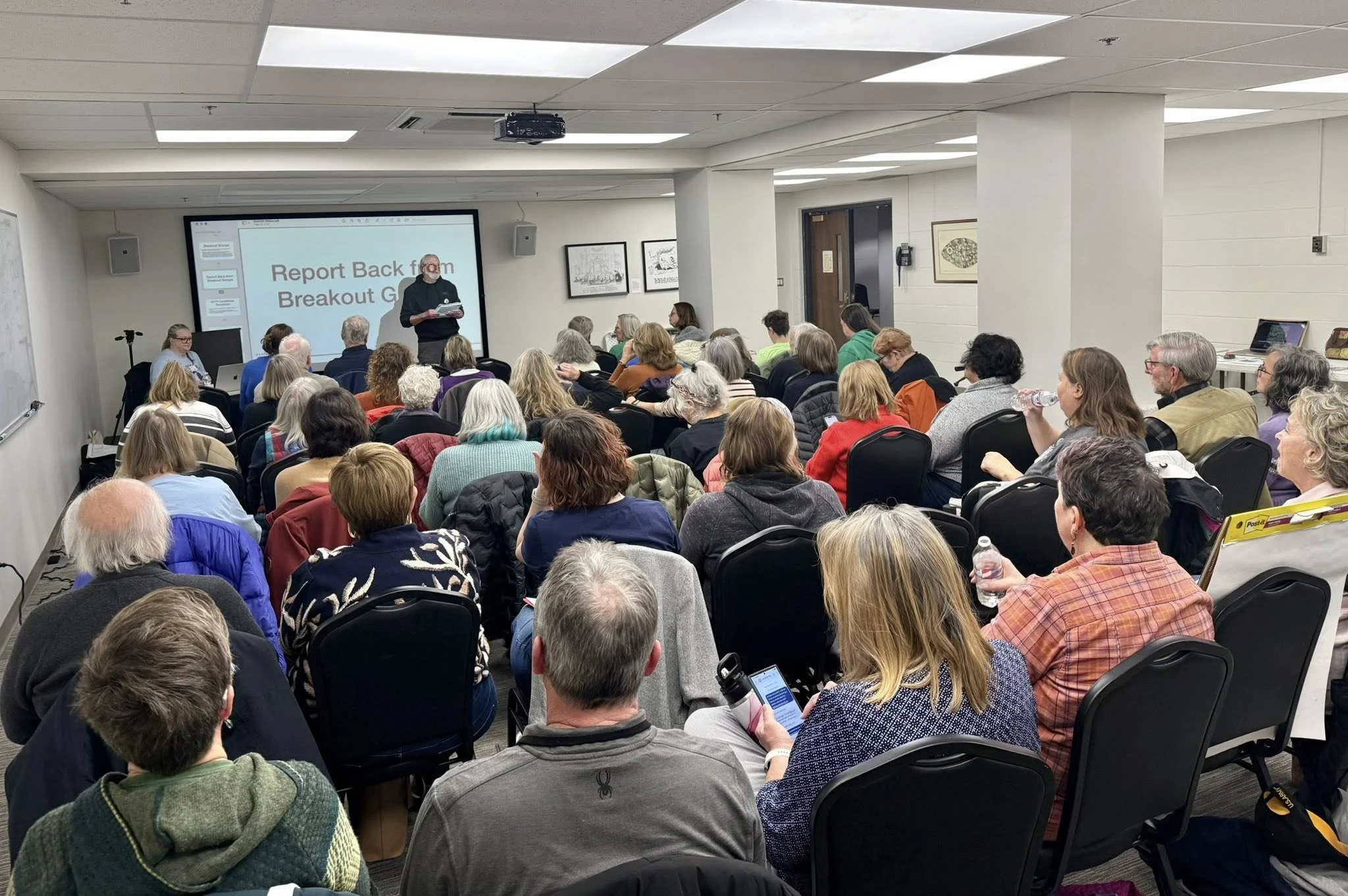
Our first Summit
January 10, 2026
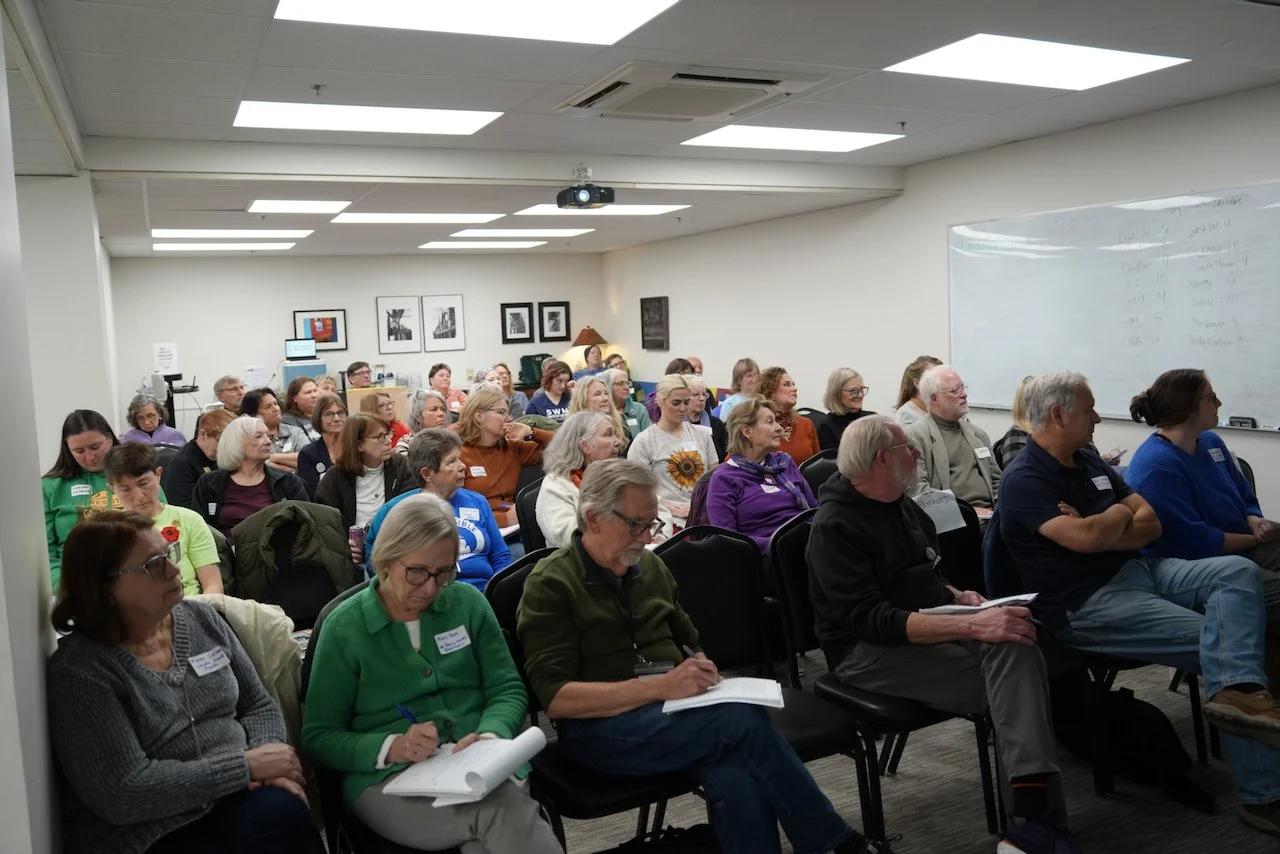
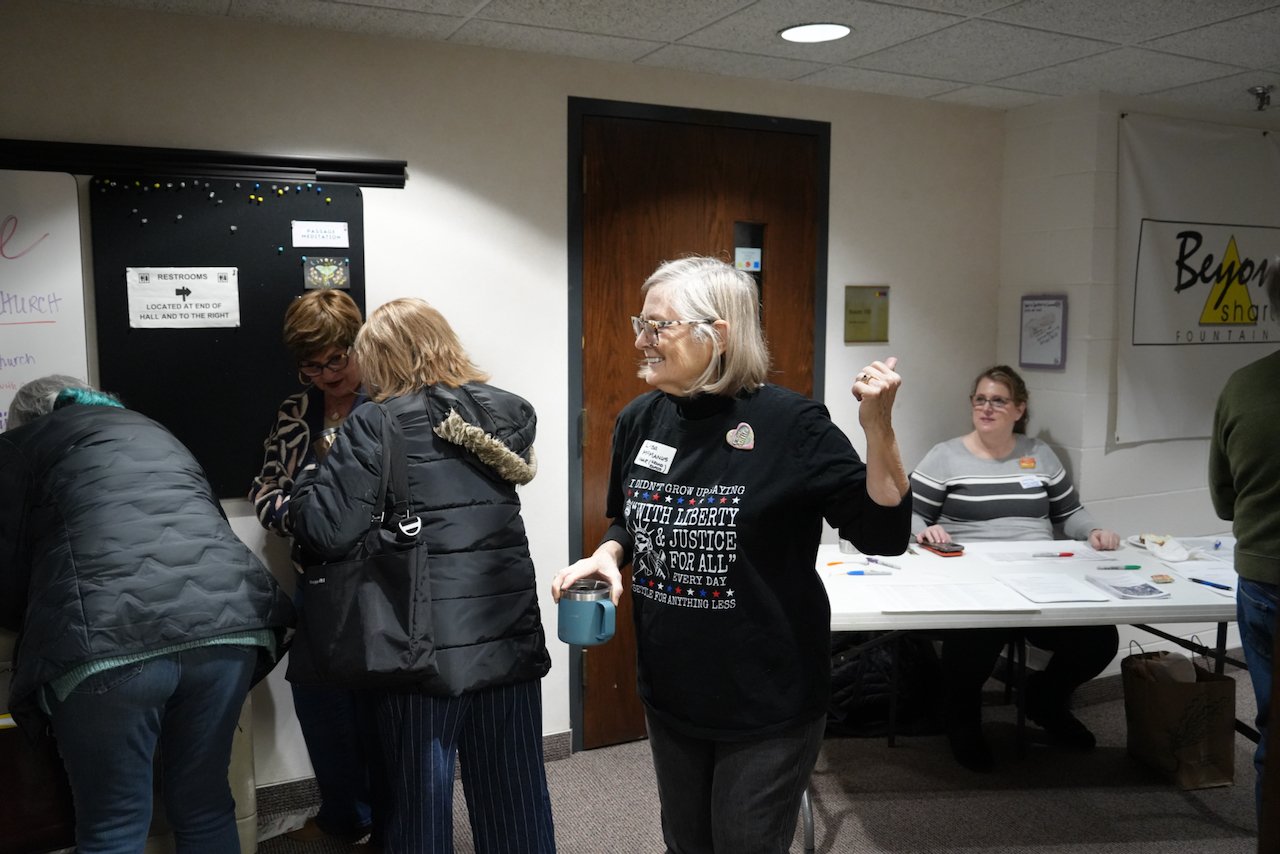
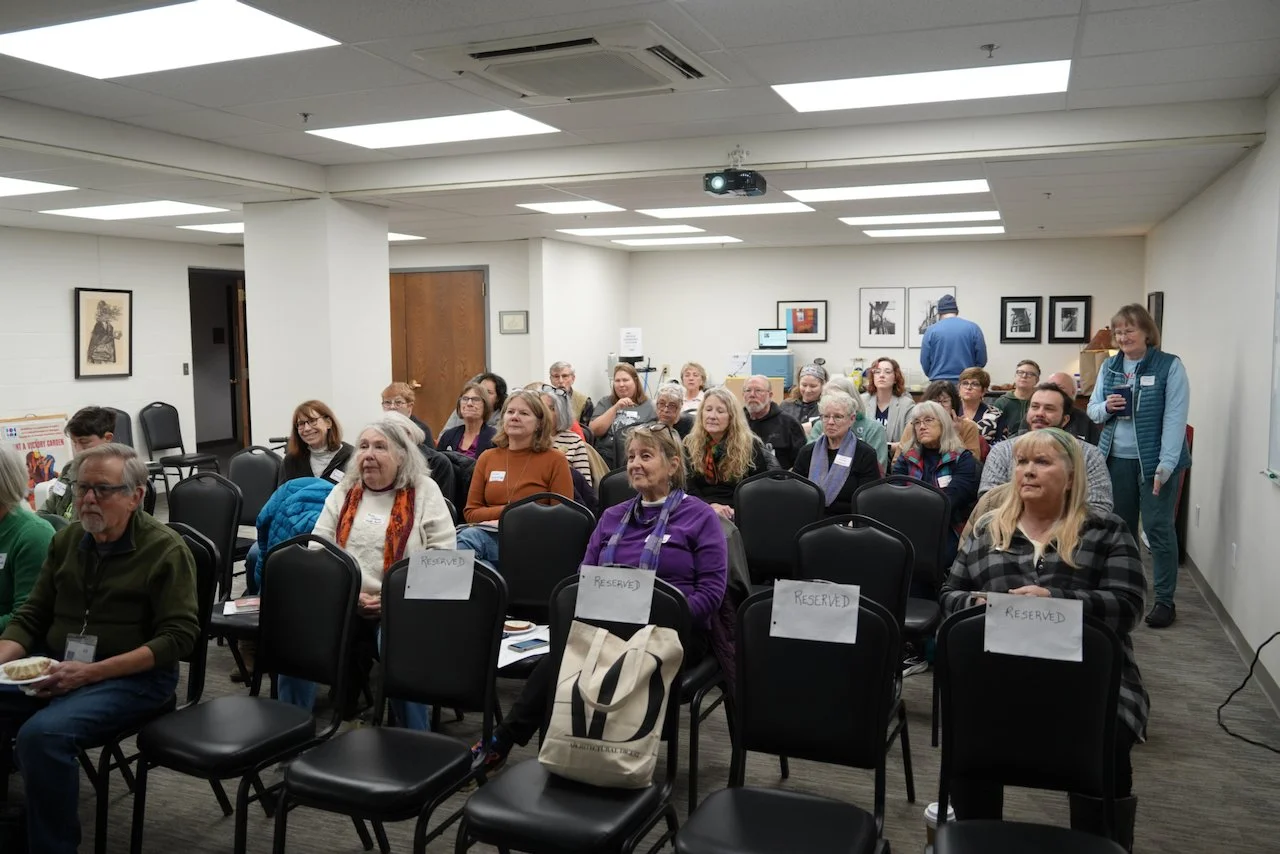
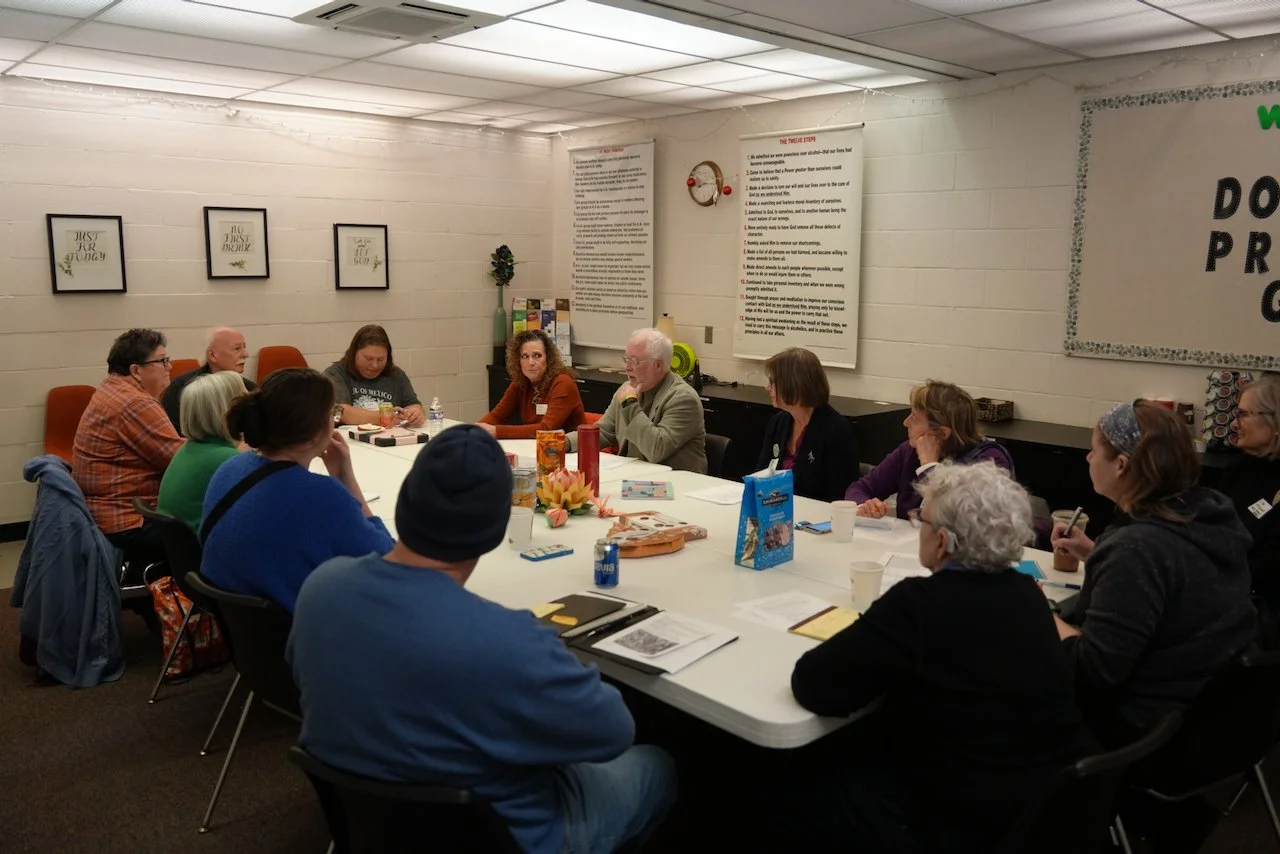
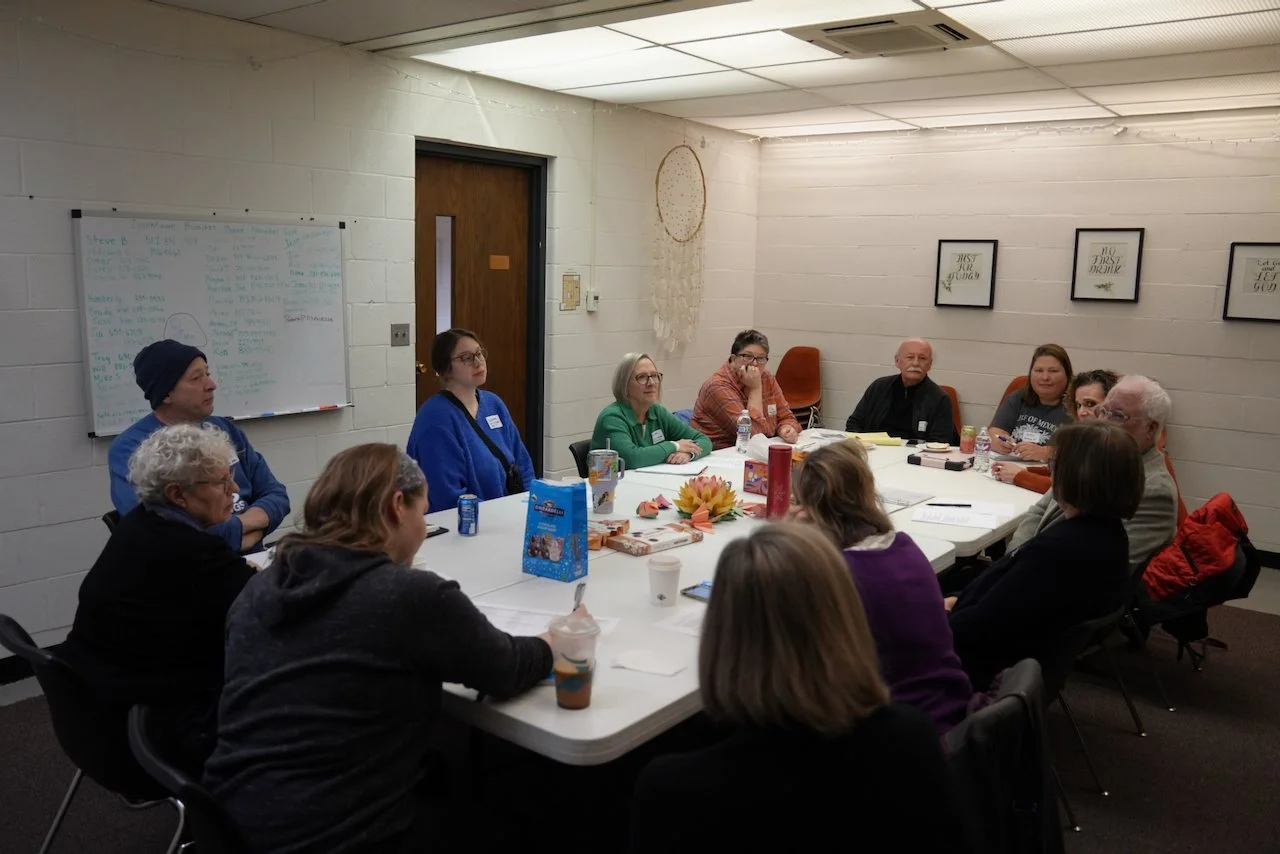
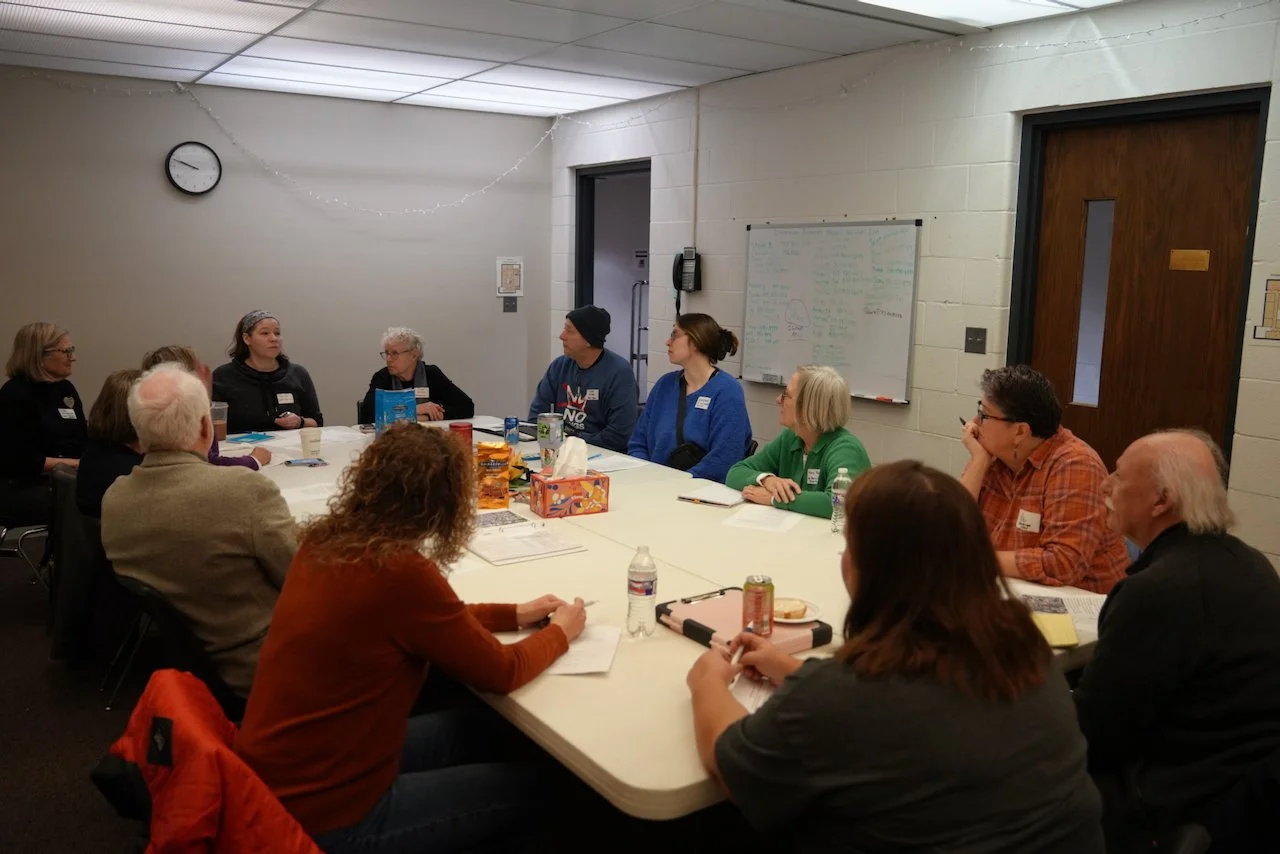
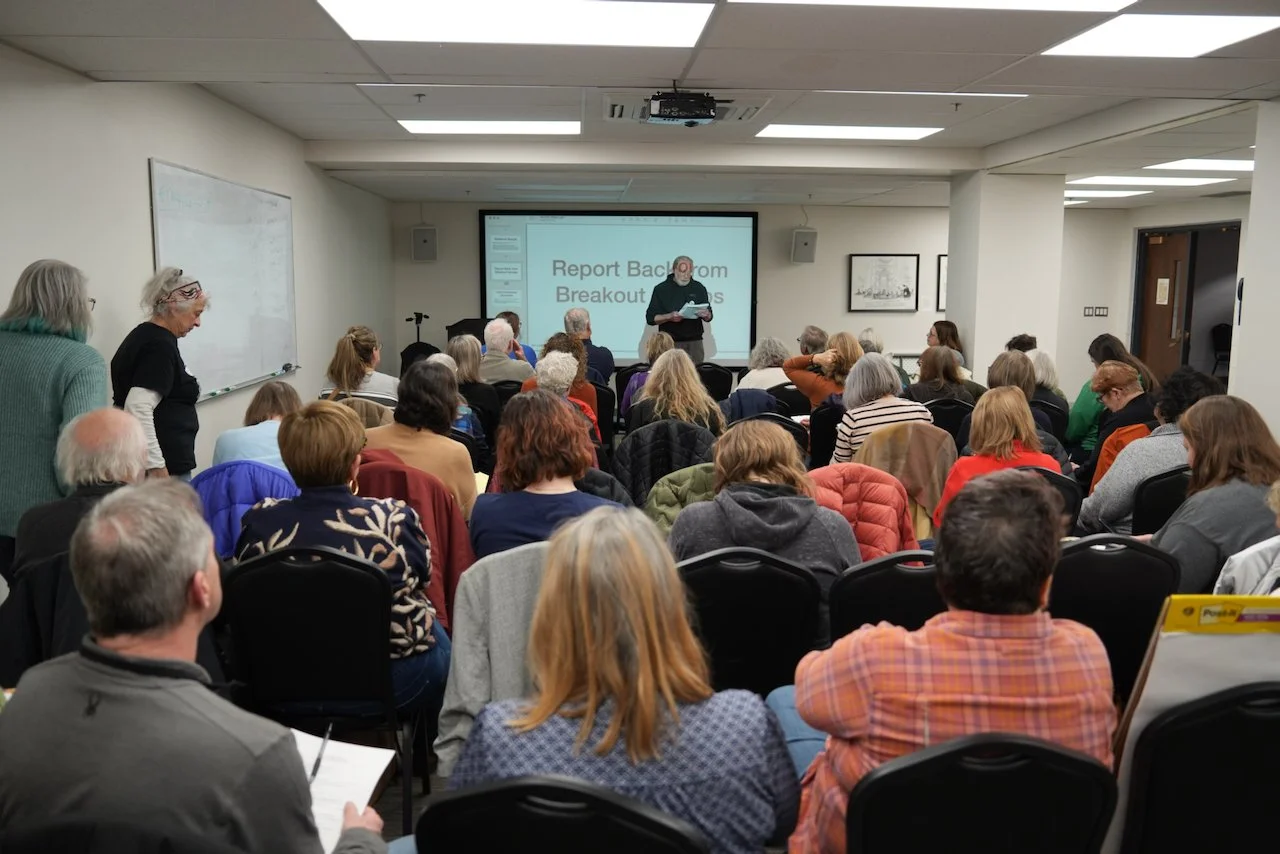
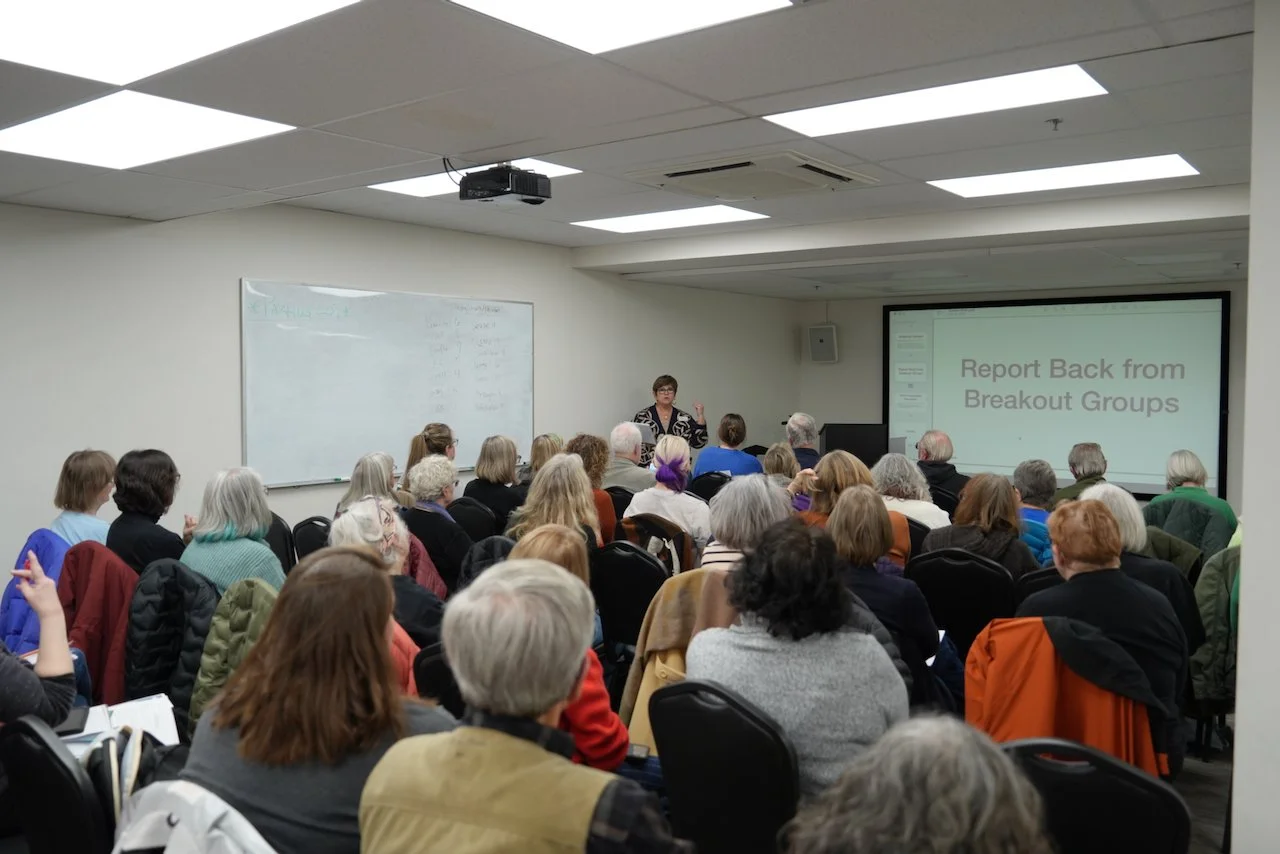
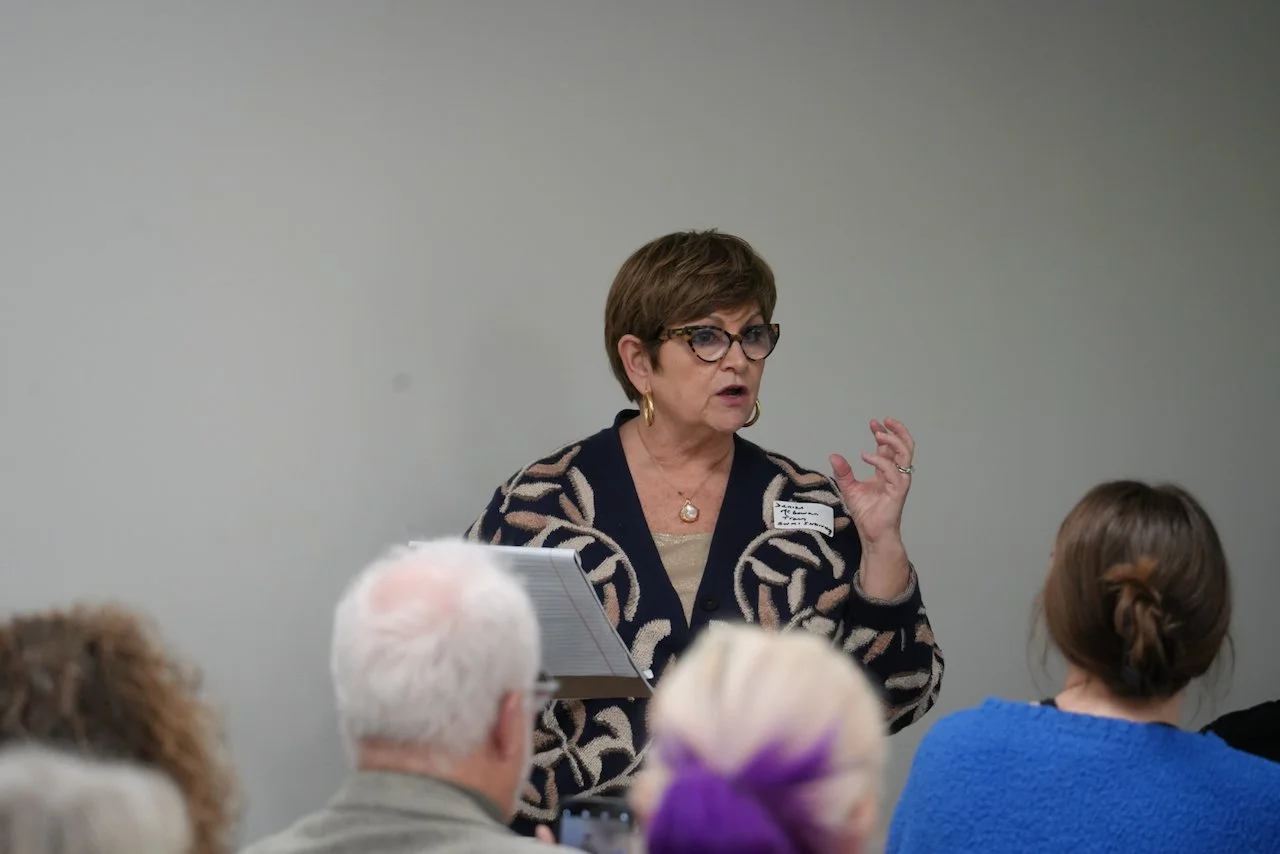
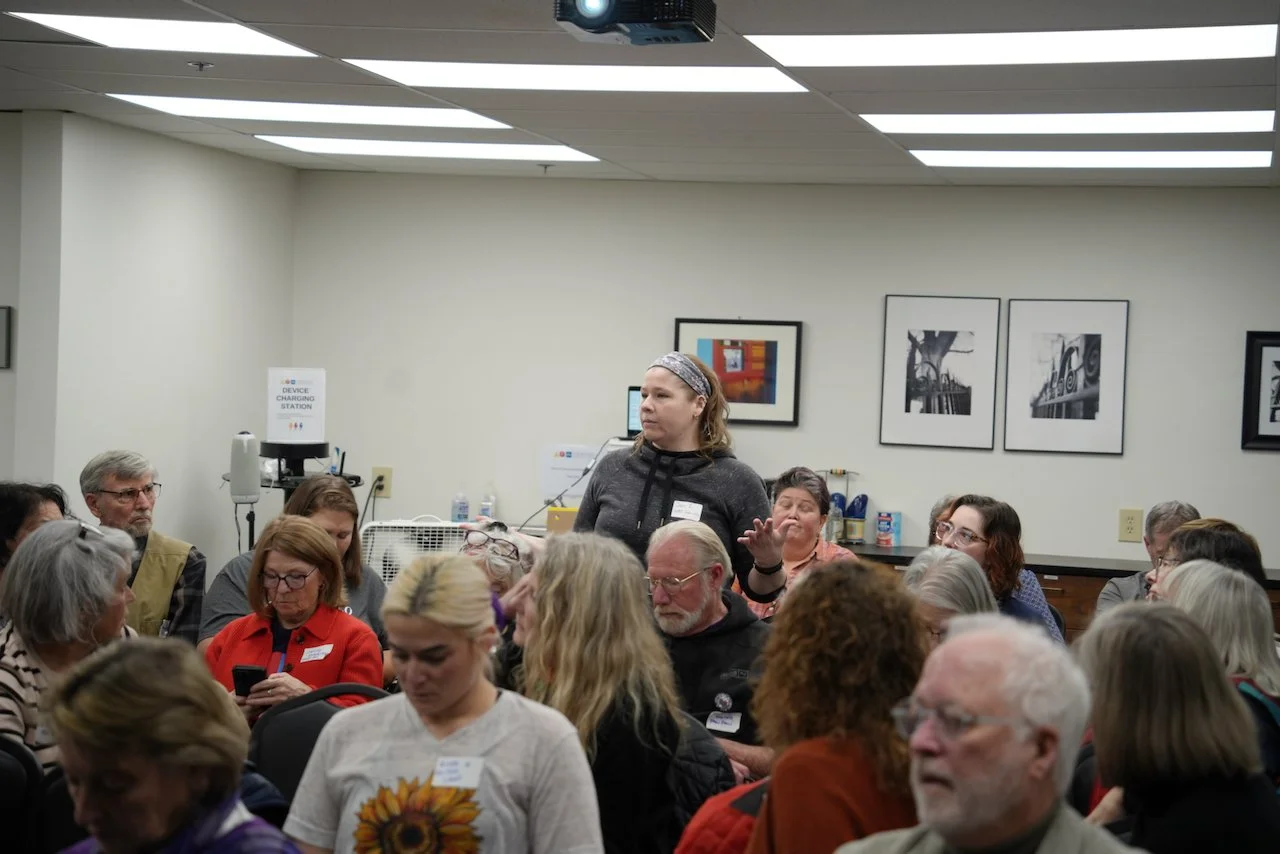
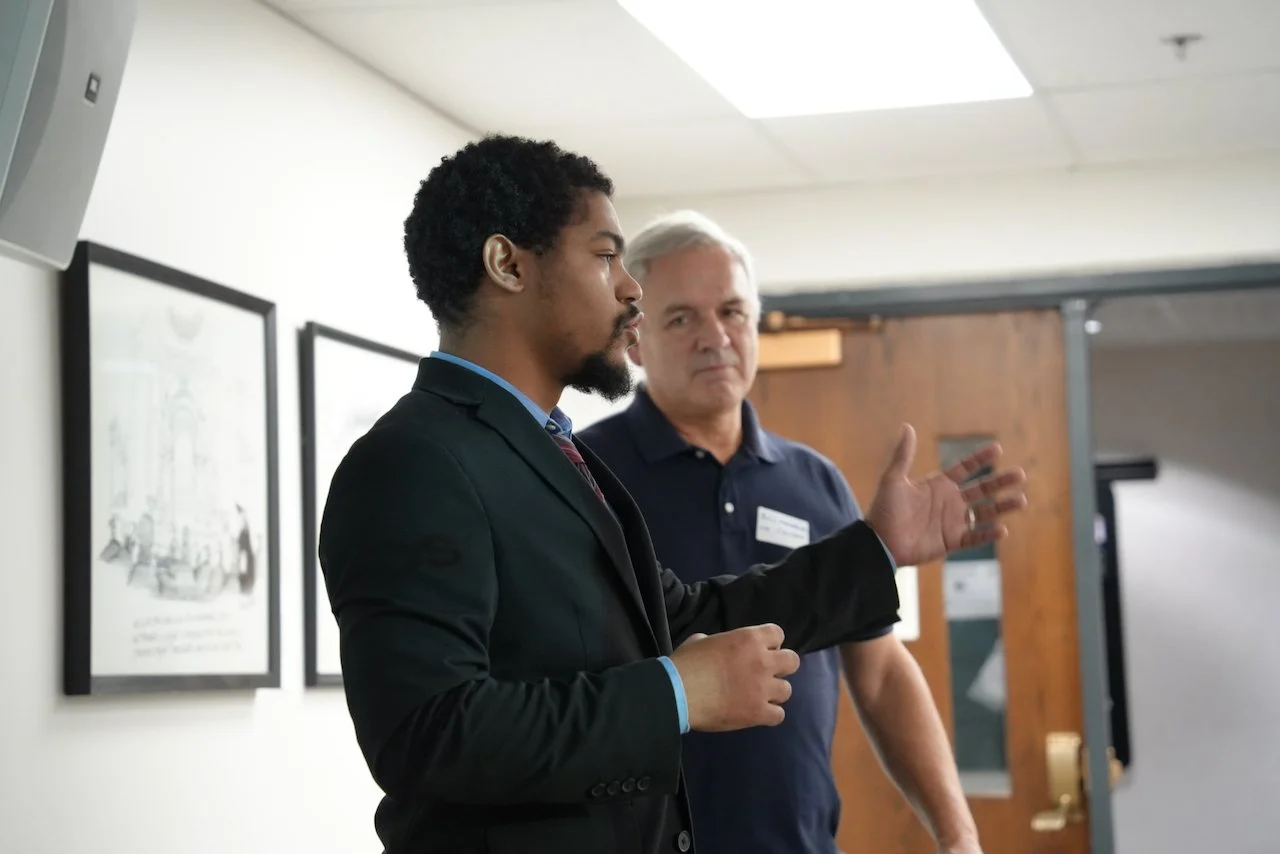
Based on the feedback from our first meetings, here’s a ranked list of what we collectively hoped to work on together
1. Collaboration, Coordination & Collective Action
Coordinating events and actions across groups
Coordinated state actions (e.g., Lansing protests)
Joining forces to build the movement and increase impact
Participating in events with other Indivisible groups
Fixing cross-group issues, sharing best practices
Website and tools to help collaborate efficiently
Preventing siloed work; creating a stronger front
How to collaborate while supporting diverse group goals
How collaboration might be enacted across regions
2. Growing & Sustaining Membership / Recruitment
Growing membership to have more impact
Ideas and strategies for recruiting volunteers who actually show up
Encouraging active participation from existing members
Keeping people engaged and motivated
How to reach young people and underrepresented groups
Why our base is often older, white, privileged—and how to change that
Creating more diversity and inclusion in membership
3. Messaging & Public Awareness
Clearer, stronger messaging statewide
Messaging to members and to the public
Raising awareness of threats to democracy and local impacts
How to get public attention for events
Getting the message out in rural/red areas
4. Organizing, Leadership, and Internal Operations
Managing internal conflicts and making group decisions
How to structure priorities and work efficiently
Frequency and format of meetings
Media lists, tech tools, and trainings
Learning how other groups operate (structure, history, successes)
Tracking involvement and participation
5. Creative and Impactful Actions
Creative actions beyond traditional protests
Ideas for impactful events that channel people’s desire to act
Effective resistance activities
Shared activities and rallies
How to pull off a Town Hall
Texting tools and cost-effective communication methods
6. Education, Support & Inspiration
Hearing from other groups—what they’re doing, what’s working
Stories of issues and successes
Understanding group histories
Supporting vulnerable populations (e.g., immigrants)
Being around like-minded people to stay motivated
Training (media, tech tools for activism)